
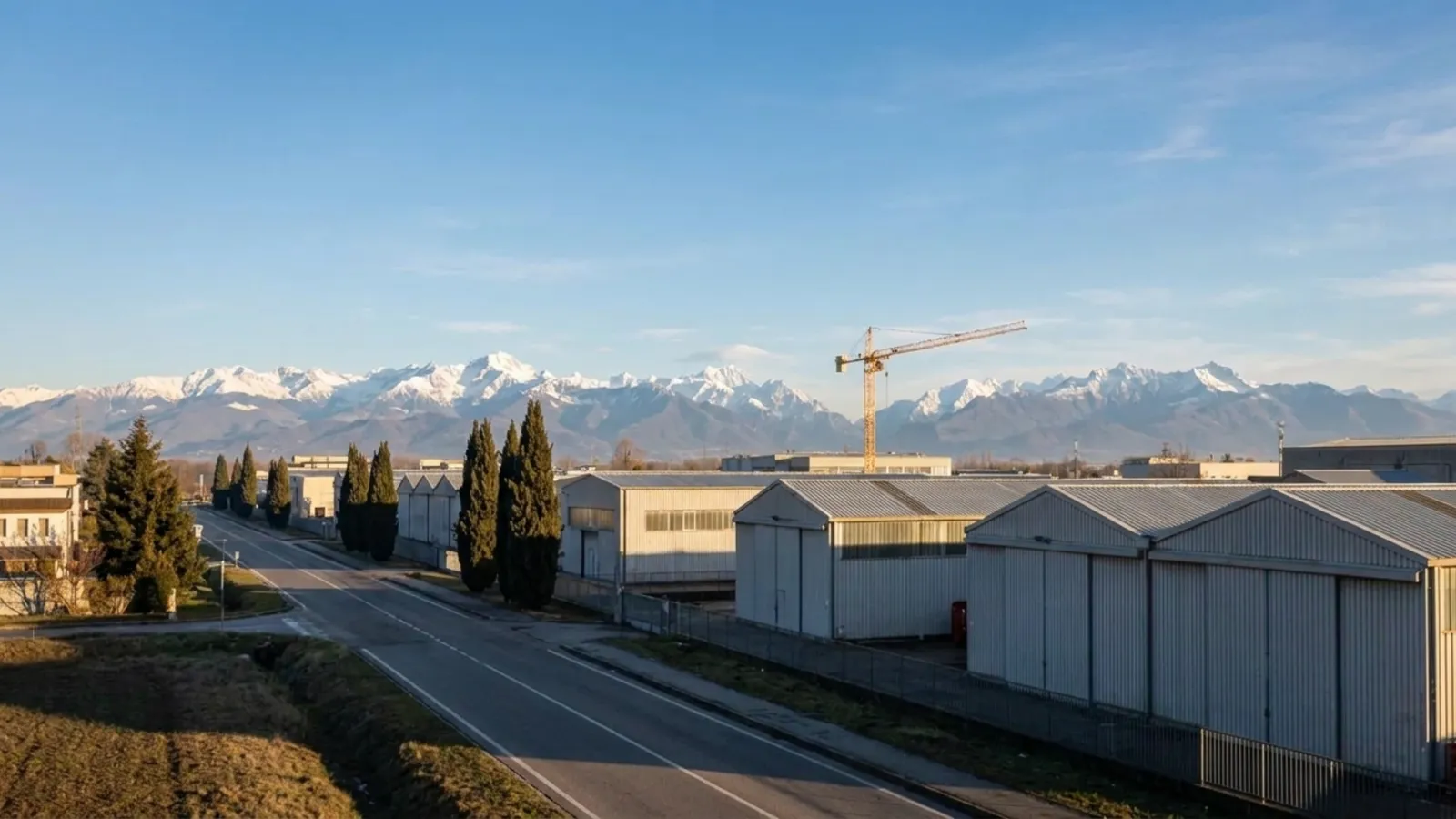
Italian programmes run long. Long programmes are where obsolescence stops being theoretical.
We supply connectors, terminals and seals into Italian vehicle programmes and their harness suppliers, concentrating on the parts that have gone allocated, end-of-life or simply hard to find.
Send a part numberWhy Italy matters to us
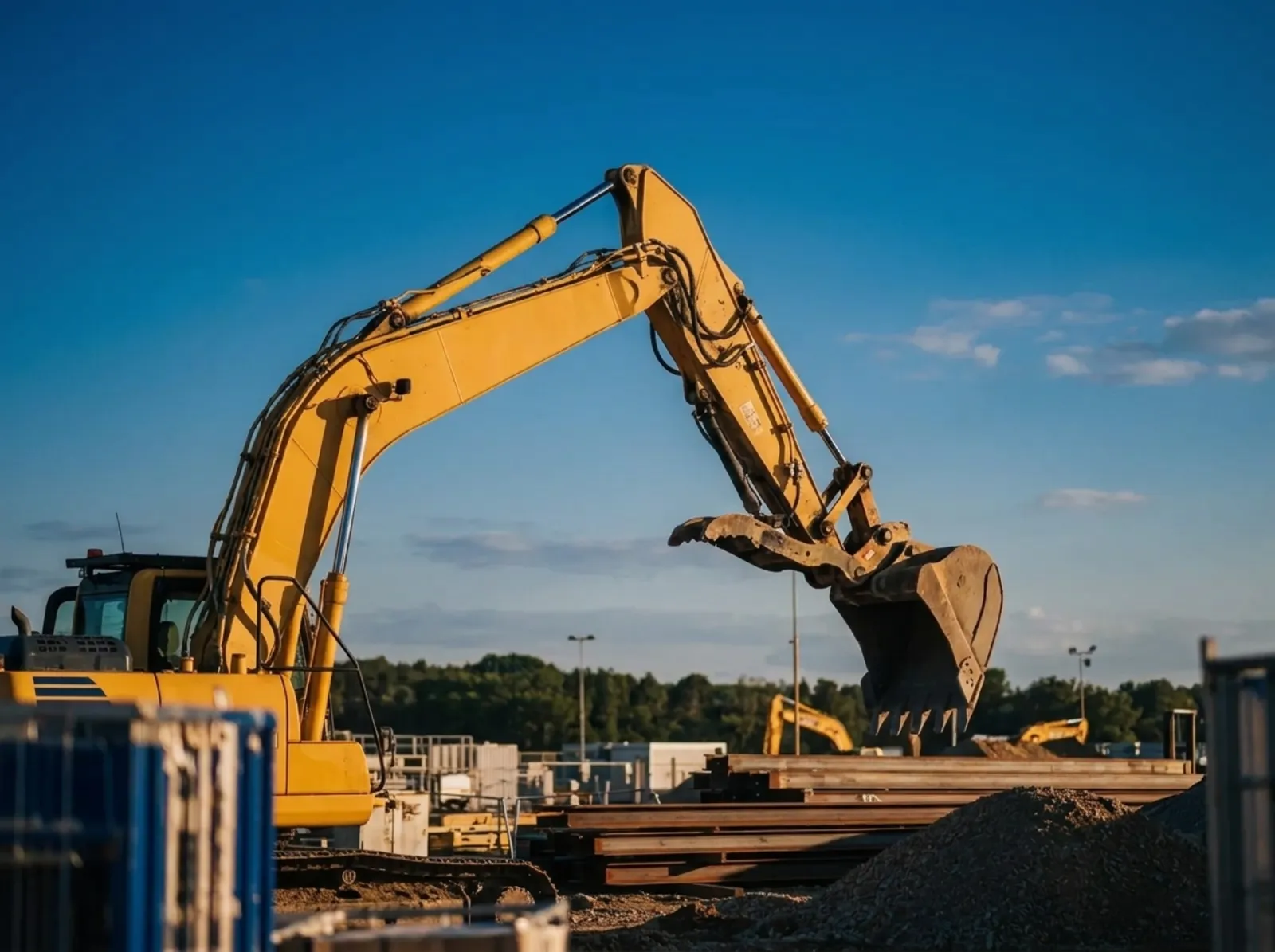
Italian vehicle production is organised around a clear split. Stellantis builds small cars at Mirafiori and Pomigliano d'Arco, mid-range and luxury at Melfi, Cassino and Modena, and light commercial vehicles at Atessa. Cassino builds the Alfa Romeo Giulia and Stelvio and the Maserati Grecale. Atessa builds the Fiat Ducato, Peugeot Boxer, Citroen Jumper, Opel Movano and Toyota Proace Max on a single commercial-vehicle line, with more than a billion euros committed over five years for the next generation.
Pomigliano is the most productive single site in the country, at roughly 92,000 vehicles and about 60 percent of national output on recent figures. Iveco Group, headquartered in Turin and spun out of CNH Industrial at the start of 2022, adds trucks, buses and off-highway programmes on top of that.
The commercial-vehicle weighting is the part that matters to us. A light commercial platform stays in production far longer than a passenger car, and the service and aftermarket obligation outlives the assembly line by years. That is the exact condition under which a connector housing is discontinued by its manufacturer while vehicles that use it are still being built and still being repaired. The catalogue stops listing the part before the obligation to supply it ends.
Italy is an assembly and engineering market rather than a low-cost harness base, so a large share of the physical harness assembly for Italian programmes happens elsewhere, in North Africa and the Balkans. Italian harness and cable-assembly firms such as Plati, El.Com and Erregi Elettronica sit alongside that. Harness Code is an independent distributor in Sofia working the shortage and obsolete end of the connectivity market, not an authorised or franchised reseller. We check date and lot codes, work verified sourcing channels, supply original packaging where it exists, and do not issue a certificate of conformance as a guarantee of authenticity.
The plants this market runs on
The public vehicle manufacturing sites and suppliers that set Italian connectivity demand. We supply the connectors, terminals and seals at the shortage and obsolete end of that chain.
Stellantis Atessa
Light commercial vehicles: Ducato, Boxer, Jumper, Movano and Proace Max. Long platform life, and a service obligation that outlives the production run.
Stellantis Cassino
Alfa Romeo Giulia and Stelvio, Maserati Grecale. Premium and luxury programmes, low volume, and no tolerance for an incomplete harness.
Stellantis Pomigliano
The most productive site in the country at roughly 92,000 vehicles, around 60 percent of national output.
Stellantis Mirafiori and Melfi
Mirafiori builds the Fiat 500 line and has volume committed into the 2030s. Melfi took on the Jeep Compass and DS N°8 at the end of 2025.
Iveco Group
Headquartered in Turin, spun out of CNH Industrial in 2022. Trucks, buses and off-highway, where platform lifecycles are longer still.
Plati, El.Com, Erregi
Italian harness and cable-assembly manufacturers serving automotive alongside industrial, naval and aerospace work.
Plants listed are public manufacturing sites in Italy. Named customer references appear only with written permission.
Inside the EU, so the border adds nothing to the lead time.
Italy and Bulgaria are both in the European Union, so the shipment moves as an intra-community delivery with no customs formalities and no import duty. Standard EU road freight covers the route into the northern industrial belt and down the peninsula, air freight covers the urgent cases, and hand-carry covers the ones where freight is not fast enough. Italian-language support is available on request.
Line down? Crisis sourcing →Common questions on supplying Italy
01Do you deliver to Italy?
Yes. Italy and Bulgaria are both EU member states, so the consignment moves as an intra-community delivery. There is no customs entry and no import duty, which leaves the location of the part itself as the only real variable in the lead time.
02Can you supply connectors for a commercial vehicle platform still in service?
Yes, and it is one of the requests we handle most often. Light commercial platforms stay in production and in service far longer than passenger cars, so the connector that supports them is frequently discontinued while the obligation to supply it is still live.
03What happens if the part is genuinely nowhere?
We tell you. An honest no is more useful than a lead time that slips twice. Where a direct replacement does not exist, we will say what we found, what is available as an alternative, and what the trade-off is, so your engineering team can make the call with real information.
04Are you an authorised distributor?
No. Harness Code is an independent distributor. Working outside the franchised channel is what makes allocated and obsolete parts reachable at all, and we are explicit about what documentation travels with a given lot.
05Do you speak Italian?
Italian-language support is available on request. Most procurement teams run the inquiry in English so the part numbers and date codes stay unambiguous.